From Washington Come Thoughts on Research Funding, Peer Review, 'Entrenched Networks' and Fragmentation
California's stem cell and gene therapy program not isolated from the concerns

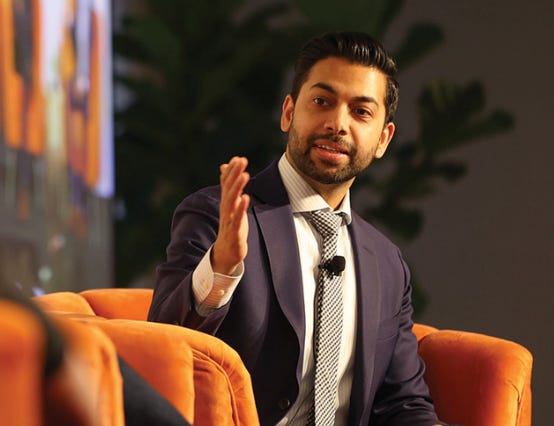
Have you heard the one about the pediatric surgeon who walked into a den of MAHA acolytes?
If not, he has no qualms about telling everybody about what happened. And some of what he has to say applies to the operations of the $12 billion California Institute for Regenerative Medicine (CIRM), which funds stem cell and gene therapy research. It is the largest such state operation in the nation.
The surgeon is Chethan Sathya, who is also a public health researcher in New York state.
The headline on his article this week in the Washington Post best summarizes his overall point.
“I joined a MAHA roundtable. What I heard surprised me.
“The discussion was more complex and constructive than much public discourse would suggest.”
What caught this writer’s attention, however, were several comments that coincidentally touched on matters in the Golden State.
One example involves complaints from some scientists that CIRM has shunted aside “good science” by screening applications first to determine whether they fit CIRM’s new priorities and preferences. Those new standards were developed through more than a year of public meetings involving scientific, legal and public health review.
However, the scientists argued, only peer review of all applications would assure that good science would be funded. The researchers did not raise their concerns while CIRM was reevaluating its priorities. Their complaints first surfaced last September. They have now become part of the annual March review of the new priorities to see if changes are necessary.
“One recurring theme,” Sathya said about the roundtable, “was the need to rethink how peer-review functions in practice.
